The 5 common side effects of Isotretinoin (accutane)
Thinking about starting Accutane? Or already on it and wondering what’s happening to your body?
You’ve probably heard it’s a “miracle drug”, but no one really prepares you for the side effects.
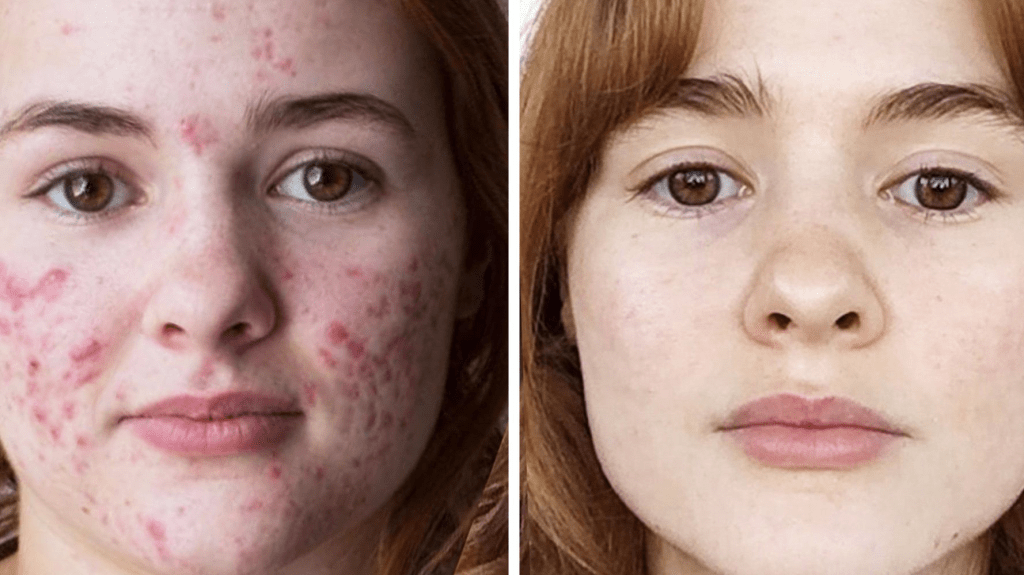
Source: MarieClaire (2017)
From extreme dryness to unexpected mood changes, here are the 5 most common side effects and most importantly, how to manage them.
For people struggling with severe acne, dermatologists sometimes prescribe isotretinoin, one of the most effective treatments available today. However, while this medication can be life-changing, it also comes with several side effects that patients need to understand and manage.
It’s often considered a last resort when other medications have failed because it’s a long process that can completely change both the body and the mind.
You are young and you probably want to get rid of your acne through this method. But are you really prepared for all the consequences it can have?
Many people who start isotretinoin are not always fully prepared for the changes it can bring. Knowing what to expect can make the treatment easier to handle and help patients take better care of their skin and overall well-being
In this article, we will explore five common side effects of isotretinoin and practical tips to deal with them. If you’re currently on Accutane or thinking about starting it, keep reading this might help you avoid some of the most common mistakes.
Before we dive in, just know this: most of these side effects are completely normal and manageable if you know what to expect.
Accutane Side Effect #1 : Extreme Dryness
This is probably the FIRST thing you’ll notice.
What happens?
- Dry eyes
- Dry lips (very common)
- Flaky skin
It can feel uncomfortable, but don’t panic this is completely expected on Accutane.
Why it happens
The medication significantly reduces the activity of sebaceous glands, therefore it means that the skin produces much less oil than usual. As a result, patients often experience dry lips, dry skin, and sometimes dryness in the eyes or inside the nose.
This is the side effect that almost everyone experiences when taking this treatment, and it can quickly become uncomfortable if you don’t take care of your skin properly.
How to manage it
- Apply a thick lip balm several times a day
- Use a gentle moisturiser morning and night
- Avoid harsh or drying skincare products
The best advice is to use a good moisturising cream designed for dryness caused by treatments like isotretinoin. These creams are specifically made to support very dry and sensitive skin, and they can really help if you apply them consistently every morning and every night.
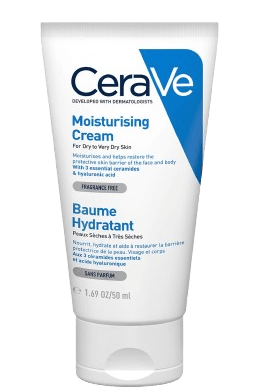
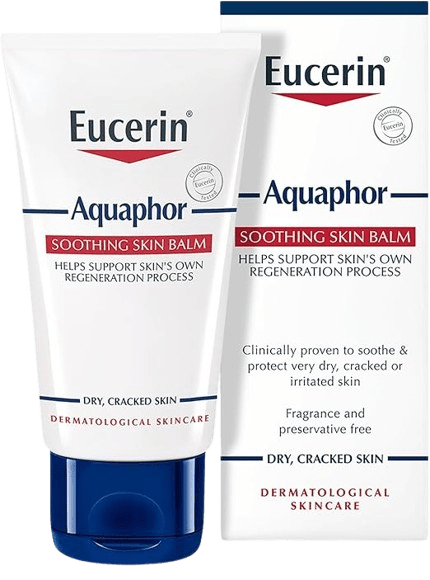
For the lips, you will also need something stronger because lip dryness is one of the most common issues. Dermatologists often recommend the same product, which is also the one I personally used during my treatment: Aquaphor by Eucerin.
It’s a very rich balm that you can apply on any dry area of your body. It works great on the lips, but also on places like the nose, around the nostrils, or even dry spots like elbows.
Have you experienced this? Tell me in the comments!
Accutane Side Effect #2: Mood changes
This one can be a bit scary.
Some people report feeling more emotional, anxious, or just “not like themselves”.
Not everyone experiences this, but it’s important to pay attention to how you feel.
Why this can happen
Researchers are not completely sure why this happens, but some studies suggest that isotretinoin may influence certain chemicals in the brain that are related to mood.
It can be very hard to live with this treatment, especially if you are a student and need to work on assignments, meet important deadlines, or deal with major projects in your life. This is not the moment when you want to lose all your motivation or energy.
What to do
It’s completely okay to not feel your best during this treatment. It’s important to remind yourself that this is not your normal state and that these feelings can be temporary.
- Talk to someone you trust
- Monitor your mood regularly
- Seek professional advice if needed
If this happens to you, don’t ignore it. Talk to someone you trust or a professional.
During isotretinoin treatment, dermatologists often increase the dose gradually if everything is going well. However, if you feel that the current dose is already your limit, it is totally okay to say so.
You can ask your dermatologist not to increase it further, or even to reduce it if the side effects become too difficult to manage.
Some people also take short breaks from the treatment depending on their situation. In the end, the most important thing is to find the balance that works best for you, in discussion with your dermatologist.
Don’t ignore how you feel. It matters.
Accutane Side Effect #3: Sun sensitivity
If you usually tan easily… this might surprise you.
Your skin becomes way more sensitive to the sun, and you can burn much faster than usual.
Even short exposure can cause redness or irritation.
Why your skin reacts differently
One of the reasons for this is that isotretinoin makes the skin thinner and more fragile, especially when it comes to sun exposure.
This happens because the treatment reduces oil production and accelerates skin cell turnover. As a result, the skin loses part of its natural protective barrier, which makes it much more vulnerable to ultraviolet (UV) rays.
This means that even a short exposure to the sun, sometimes just 10 or 15 minutes, can already damage the skin. Many people notice that their face becomes red more easily, feels hot, or gets irritated after spending time outside.
I personally experienced this a lot during my treatment. Sometimes I would simply laugh or talk, and my face would suddenly turn red for no obvious reason.
How to protect your skin
- Apply SPF 50 every day
- Avoid direct sun exposure
- Reapply sunscreen throughout the day
Wearing sun protection becomes essential. And not only during the summer. It’s something that should really be done all year long.
The sun can be very aggressive for skin that is already weakened by the treatment. In fact, some dermatologists even recommend taking a break from isotretinoin during the summer months to avoid too much sun exposure, which could increase the risk of irritation or even scars.
That’s why applying SPF 50 every single day is extremely important.
To help with that, here is a short tutorial showing how to apply sunscreen properly:
How To CORRECTLY Apply Sunscreen On Your Face Like A Dermatologist + Tips for Reapplying SPF!
Source: YouTube – “How to Correctly Apply Sunscreen” (2024)
Don’t forget to save this tip, your future skin will thank you.
Accutane Side Effect #4: Joint and Muscle Pain
This one is less talked about, but still common.
You might feel sore after workouts, or even just from everyday movements.
It can feel like your body is more “stiff” than usual.
It’s not something that happens to everyone, but if you are a really active person, it can quickly become noticeable.
I remember my dermatologist was actually relieved to hear that I wasn’t doing any intense sports, because for people who are very active, this side effect can really impact their performance.
What it feels like
The treatment can make your muscles feel sore more often, even after workouts that wouldn’t normally affect you. But what surprised me the most is that you don’t even need to be sporty to feel it.
Sometimes, after a completely normal day, I would go to sleep and wake up feeling like I had run a marathon.
Again, this doesn’t happen to everyone, but it was my personal experience, and it’s something that can happen, so it’s important to be aware of it.
Tips to relieve it
- Stretch regularly
- Avoid intense workouts
- Rest when needed
In these moments, the most important thing is to listen to your body. There is nothing wrong with you, it’s just part of how the treatment can affect your body.
Reducing intense workouts, taking more rest days, staying hydrated, and doing gentle stretching can really help. If the pain becomes too strong, always talk to your dermatologist.
Workout Tips While Taking Accutane
Source: Tik Tok – “Can you work out on accutane?” (2025)
Accutane Side Effect #5: Headaches
Headaches can happen, especially at the beginning of the treatment.
Sometimes they’re mild, but other times they can feel more intense.
This was personally one of the first symptoms I experienced after starting the treatment (even before the dryness really kicked in, which says a lot). Very quickly, I started getting headaches without any clear reason.
If they become frequent or severe, it’s important to speak to a doctor.
Why headaches can occur
From a medical point of view, this can happen because isotretinoin can affect the body’s balance, including hydration levels and, in some cases, pressure regulation. Even if the exact cause is not always fully understood, headaches are a known side effect of the treatment.
These headaches can be really disruptive and make it hard to focus, especially if you’re studying or working on something important. I remember days when I just couldn’t concentrate properly because of it.
And honestly, taking painkillers like Ibuprofen didn’t really fix the problem. The only thing that actually helped was drinking water. And not just a little, but really making an effort to stay properly hydrated. I noticed that every time I drank less, the headaches would come back.
What to do
- Stay hydrated
- Rest when needed
- Consult a doctor if symptoms persist
However, if the headaches become frequent, severe, or unusual, it is very important to consult your dermatologist to make sure everything is under control.
By now, you probably realise that Accutane is not something to take lightly but with the right preparation, it becomes much easier to handle.
What you should remember
Starting Accutane can feel overwhelming, especially when you don’t know what to expect.
But the key thing to remember is: most side effects are temporary and manageable.
Quick Accutane Survival Guide
- Always carry lip balm
- Stay hydrated
- Use sunscreen daily
- Be patient with your body
The goal is clear skin and for many people, it’s absolutely worth it. Starting isotretinoin can honestly feel overwhelming at first. You hear about all the side effects, you don’t really know what to expect, and suddenly your body starts reacting in ways you’re not used to.
But one the things I’ve learned is that you kind of have to go through it by listening to yourself. Every experience is different. Some days are totally fine, and others are a bit harder, and that’s okay. It doesn’t mean something is wrong, it just means your body is adjusting to a strong treatment.
What really helps is keeping simple habits such as drinking enough water, protecting your skin, resting when you need to, and not pushing yourself too hard. And most importantly, don’t stay alone with your doubts. If something feels off, just talk to your dermatologist our someone you trust.
At the end of the day, it’s a temporary phase. And even if it’s not always easy, seeing the results on your skin can really make your confidence change in the long run.
Have you ever taken Accutane or are you planning to start?
Share your experience or questions below. It might help someone else going through the same thing.
And if you found this helpful, feel free to share it with someone who might need it.
-
great content !
LikeLike
-
Thank you so much, this really makes me feel better. I’ve been thinking about it more and more, and your advice helps a lot
LikeLike
-
I loved all the tips! After moving countries, I am having to switch all my routine, so your recommendations really helped me! ❤️
LikeLike
-
I found this blog so interesting and useful as a person who is interested in skincare and had acnes before. Looking forward to more blogs ☺️
LikeLike
-
This blog post is an absolute gem! Thank you for sharing such a comprehensive and honest account of your acne treatment journey.
The way you detailed every precaution to take before, during, and after the process is incredibly valuable. What makes this truly stand out is your holistic approach, addressing not just the physical effects but also the psychological impact, which is often overlooked.
This is genuinely a public service, your transparency will help so many people feel less alone and better prepared. Fantastic work!!! -
Absolutely interesting and helpful information for skincare.
Looking forward to more such detailed blogs on skincare.LikeLike
-
always been curious!!! such a good read thank you
LikeLike


 Isotretinoin (Accutane): 5 Common Side Effects